
Active Recovery & Rehabilitation Resources
Explore our comprehensive collection of evidence-based guides, therapeutic approaches, and movement programmes designed to support your recovery journey with Activephysiopath.
Early-Stage Recovery Exercises
Discover gentle, controlled movements designed for the initial recovery phases. Learn how to safely regain mobility without overexertion, with guidance on range-of-motion work and gentle mobilisation techniques.
Category: Therapeutic Exercises
Learn MoreCore Strengthening Progression
Build foundational strength through progressive core work. Understand the principles of muscle activation, safe loading progression, and how to develop stability while maintaining healthy posture throughout your recovery timeline.
Category: Therapeutic Exercises
Learn MoreJoint Mobility & Flexibility Guide
Enhance your joint mobility through evidence-based stretching protocols. Learn proper joint gymnastics techniques, understand movement biomechanics, and develop flexibility at a pace that supports your individual recovery needs.
Category: Movement Guidance
Learn MoreBalance & Coordination Training
Rebuild stability and body awareness through structured balance work. Explore progressive coordination exercises that strengthen proprioception, improve muscle tone regulation, and support safe movement patterns during your recovery phase.
Category: Recovery Phases
Learn MoreTension & Muscle Spasm Relief
Understand the science behind muscle tension and learn evidence-based approaches to discomfort reduction. Discover remedial gymnastics techniques and therapeutic methods that help release tension while supporting your body's natural healing process.
Category: Therapeutic Exercises
Learn MorePersonalised Movement Assessment
Learn how movement assessments inform individualised programmes. Understand the importance of qualified specialist evaluation, biomechanical analysis, and how personalized approaches adapt to your unique recovery needs and movement patterns.
Category: Expert Insights
Learn MoreLow-Impact Activities for Recovery
Explore safe, effective movement options that support your rehabilitation journey while building strength and confidence.
Water-Based Movement
Buoyancy-supported exercises that reduce joint loading while building endurance. Water provides natural resistance and support, making it ideal for early-to-mid recovery phases.
Guided Mobility Work
Controlled, purposeful movement that restores joint range and tissue adaptability. Guided movement protocols enhance flexibility and prepare your body for progressive loading.
Postural Stability Training
Develops healthy posture and core activation through targeted exercises. Improved postural control enhances balance, coordination, and daily functional movement patterns.
Evidence-Based Principles from Physical Therapy
Our approach to active recovery is grounded in modern physical therapy practice. A qualified specialist uses comprehensive assessment to understand your individual needs and movement patterns, creating a truly personalised approach.
The recovery process progresses through distinct phases, each requiring different movement strategies. By understanding the biomechanics of movement and respecting the body's adaptation timeline, we support safer, more effective rehabilitation.
Personalised Assessment
Each programme is tailored to your specific recovery stage and functional goals.
Progressive Loading
Safe, gradual advancement builds strength while respecting tissue healing timelines.
Evidence-Based Methods
All approaches are grounded in current research and clinical best practice.
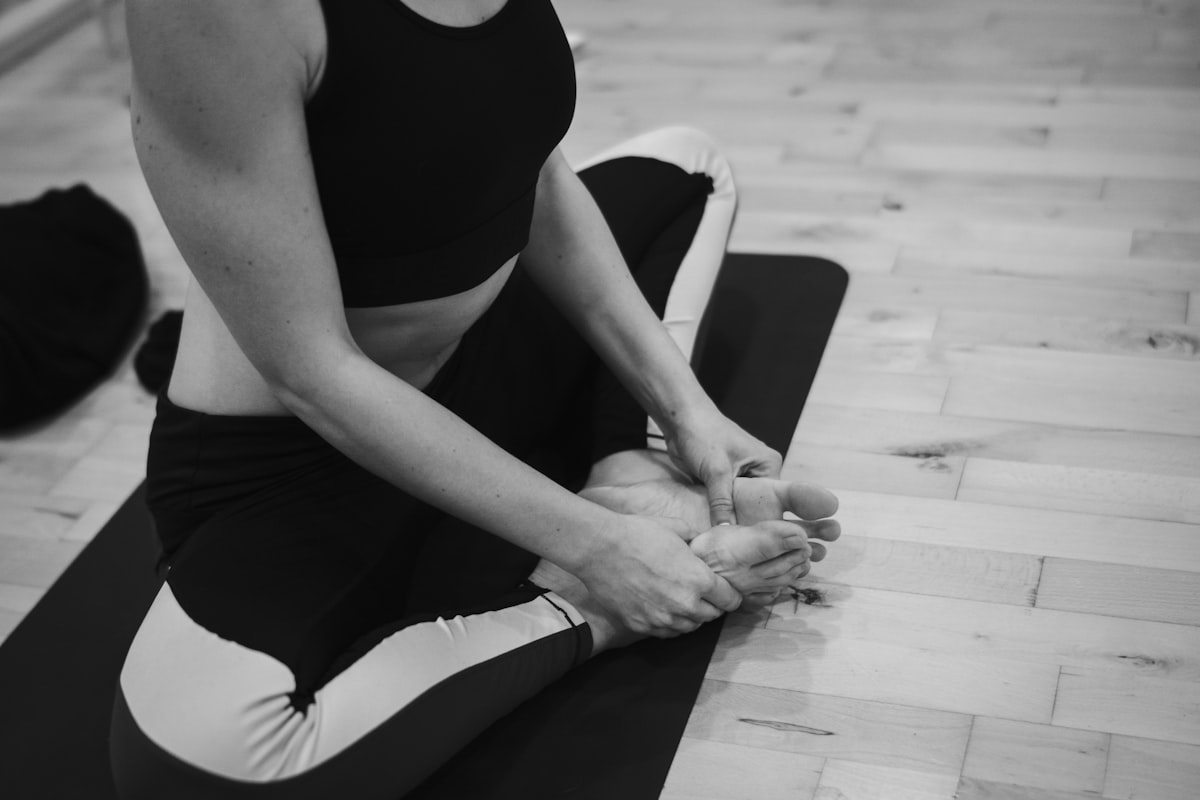
Common Questions About Active Recovery
Find answers to frequently asked questions about recovery phases, safe movement, and supporting your rehabilitation.
Active recovery involves controlled, voluntary movement performed by the individual, while passive recovery involves movement performed by an external agent (such as a therapist) without muscular effort from the patient. Active recovery is generally preferred during rehabilitation as it promotes tissue adaptation, neuromuscular re-education, and psychological engagement with the healing process. Passive techniques may be used initially in early recovery stages when active movement isn't yet possible.
Stay Updated with Recovery Insights
Receive our latest articles on active recovery, therapeutic movement, and evidence-based rehabilitation strategies delivered to your inbox.
We respect your privacy. Unsubscribe at any time.
Frequently Asked Questions
Ready to Start Your Recovery Journey?
Take the first step toward better health and mobility. Schedule your consultation with Activephysiopath today.